
🧠 Is Your Gut Secretly Messing With Your Mood? Here’s What Science Says
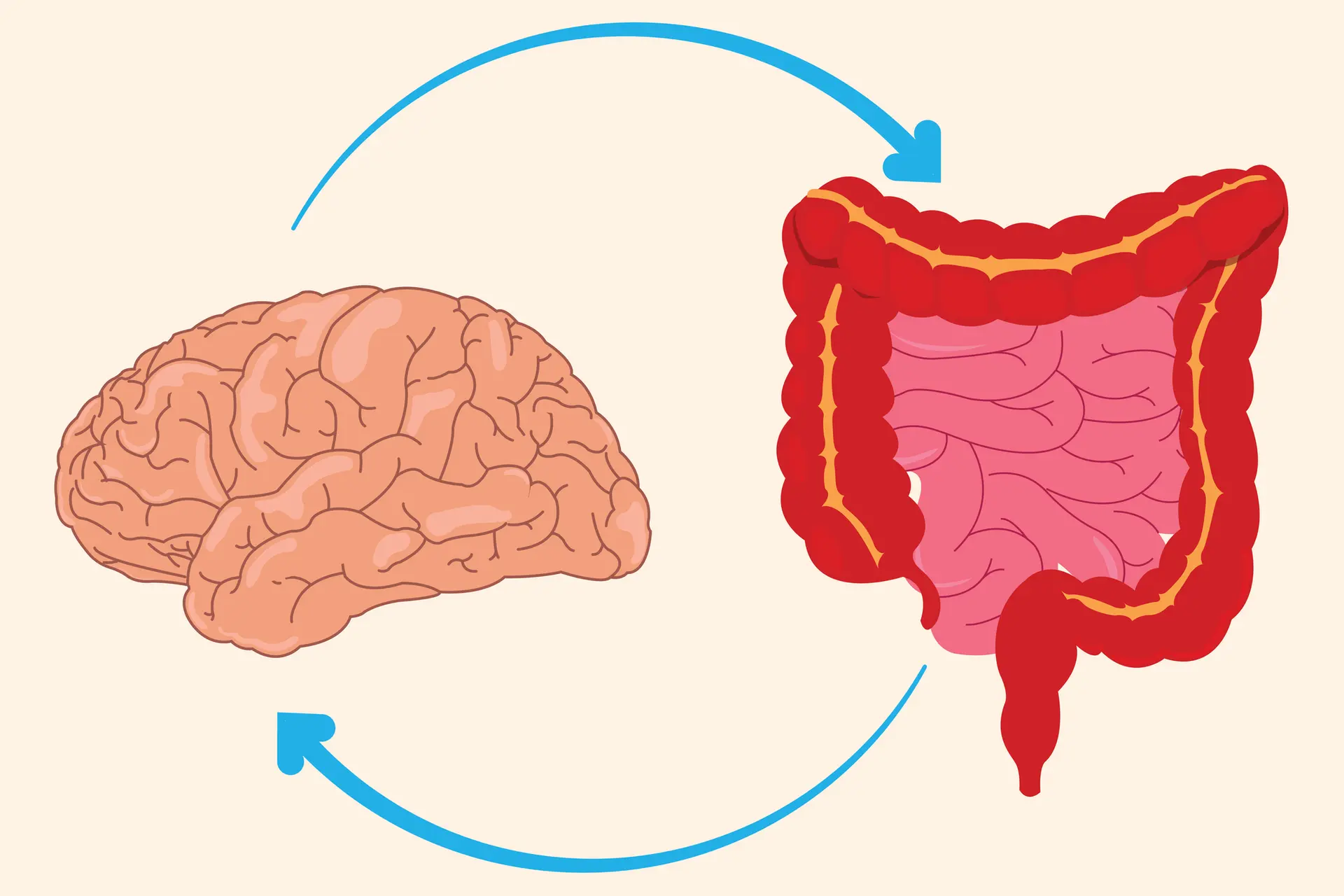
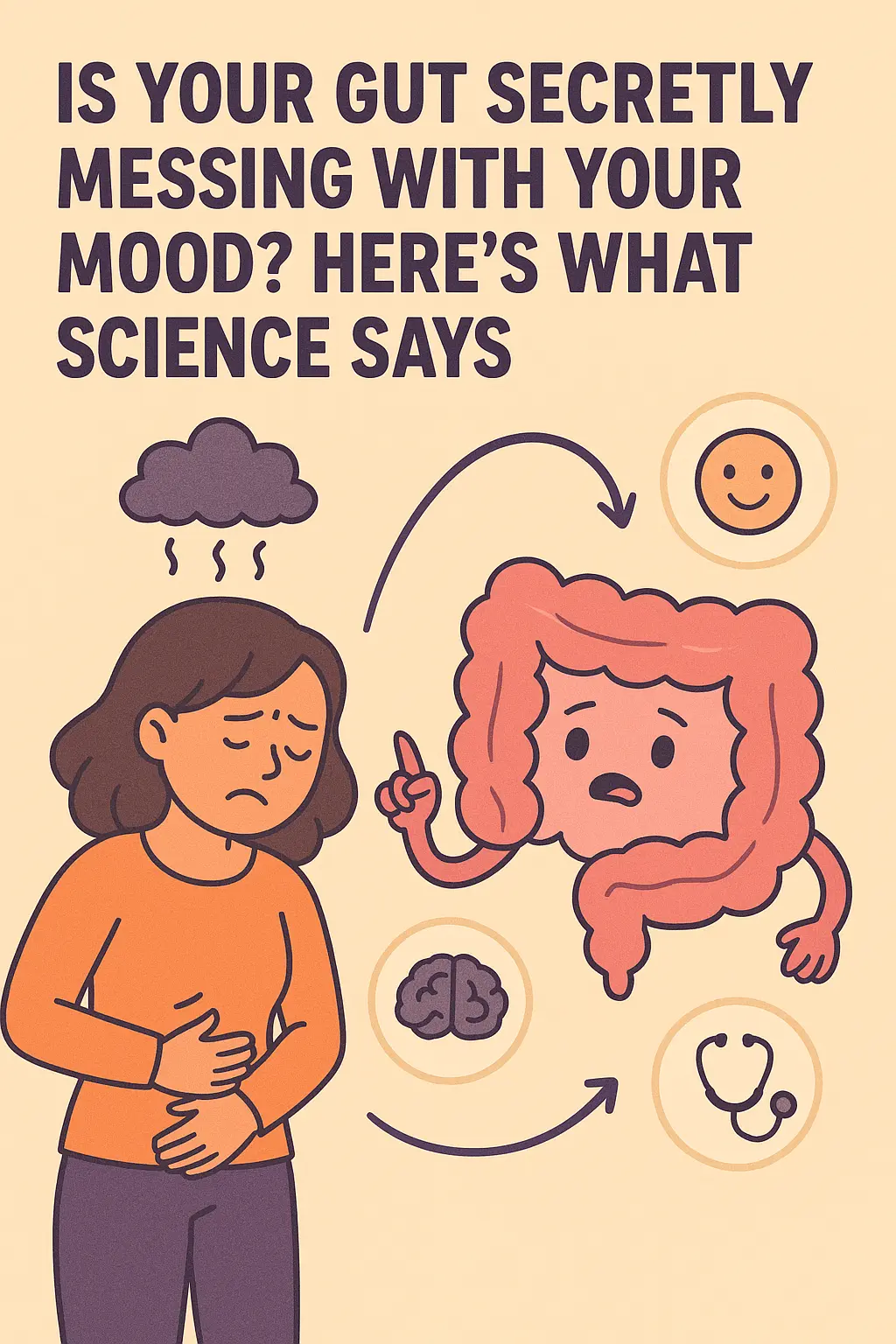
Have you ever wondered why you feel “off” — moody, anxious, or foggy — right around the time your stomach acts up? It’s not your imagination. Your gut and brain are in constant conversation, and when one isn’t happy, the other often feels it too.
Let’s explore how your digestive health can impact your emotions — and what you can do to bring your gut and mind back in sync.
🌿 Signs Your Gut May Be Affecting Your Mood
It’s normal to feel low sometimes, but if your mood changes are joined by digestive issues, it might be your gut trying to tell you something. Watch out for these early warning signs:
- Frequent bloating, gas, or abdominal pain
- Persistent constipation or diarrhea
- Unexplained fatigue or low energy
- Brain fog or difficulty concentrating
- Increased anxiety, irritability, or mood swings
These symptoms don’t always mean something serious — but they suggest your gut and brain might not be working in harmony.
💬 The Science Behind the Gut-Brain Connection
Did you know your gut is often called your “second brain”? That’s because it’s home to the enteric nervous system (ENS) — a vast network of over 100 million neurons that constantly talk to your brain through the vagus nerve.
This communication system, known as the gut-brain axis, links your emotions, digestion, and even your immune response. Here’s how:
- Nervous System Signals: The ENS sends and receives messages directly from the brain.
- Mood Chemicals: Around 90% of your serotonin, the “happy hormone,” is made in your gut.
- Immune System Role: Inflammation or infection in your gut can trigger stress signals to the brain.
- Microbiome Magic: Trillions of gut bacteria influence how you feel, think, and react to stress.
When your gut bacteria are balanced, your brain receives positive signals — helping you feel calm and focused. But when your gut is inflamed or imbalanced, it can lead to anxiety, depression, or mental fog.
😣 How Gut Issues Impact Mental Health
1. Digestive Disorders and Mood
Conditions like IBS (Irritable Bowel Syndrome) aren’t just about stomach pain — they’re closely linked with anxiety and depression. The gut sends distress signals to the brain, triggering emotional responses.
2. Microbiome Imbalance
People with mood disorders often have fewer beneficial gut bacteria like Lactobacillus and Bifidobacterium. These microbes produce anti-inflammatory compounds and support neurotransmitters that stabilize mood.
3. Stress and Digestion Loop
Ever had “butterflies” in your stomach during stress? That’s your gut-brain axis at work. Chronic stress can disrupt digestion, while digestive discomfort increases stress — creating a frustrating cycle.
🌱 5 Ways to Strengthen Your Gut–Brain Connection
The good news? You can take simple, daily steps to nourish both your gut and your mind.
1. Eat for Balance
Fuel your body with:
- Fiber-rich fruits, vegetables, and whole grains
- Lean proteins and healthy fats
- Fermented foods like yogurt, kimchi, and sauerkraut (natural probiotics)
Limit processed foods, excess sugar, and additives that cause inflammation.
2. Manage Stress Mindfully
Stress is one of the biggest gut disruptors. Try:
- 🧘 Yoga or meditation
- 🌬️ Deep breathing or mindfulness
- 📖 Journaling or creative expression
These habits calm your nervous system and support gut balance.
3. Move Your Body
Exercise improves digestion, boosts circulation, and triggers endorphins — the brain’s “feel-good” chemicals. Even a brisk 20-minute walk can help your gut function better and lift your mood.
4. Prioritize Sleep
Poor sleep doesn’t just make you tired — it also affects digestion and mental clarity. Aim for 7–9 hours of quality sleep to allow your gut and brain to reset overnight.
5. Seek Professional Guidance
If digestive issues or mood changes persist, consider consulting a gastroenterologist or nutrition expert. They can help identify food intolerances, nutritional gaps, or microbiome imbalances.
💡 The Takeaway
Your gut and brain are partners in well-being — when one suffers, the other feels the strain. By nurturing your digestive health through balanced nutrition, stress management, movement, and rest, you can build a stronger foundation for emotional stability and long-term happiness.
Remember, a healthy gut equals a happier mind. 🌻
If you’re experiencing persistent digestive or mood-related issues, it’s best to consult a qualified gastroenterology specialist for personalized care.
🛒 Recommended Product
Supporting the gut-brain axis starts with feeding your gut bacteria. Isabgol — psyllium husk — is one of the most effective and affordable prebiotic fiber supplements available in India, directly feeding the beneficial bacteria that produce neurotransmitters affecting mood and cognition.
View Sat Isabgol on Amazon →References
- Cryan JF, et al. The microbiota-gut-brain axis. Physiol Rev. 2019;99(4):1877-2013.
- Dinan TG, et al. Psychobiotics: a novel class of psychotropic. Biol Psychiatry. 2013;74(10):720-726.
- Foster JA, McVey Neufeld KA. Gut-brain axis: how the microbiome influences anxiety and depression. Trends Neurosci. 2013;36(5):305-312.
Written by — Dharmil Pandya
Medical Writer | Founder, Healthier Tomorrow
#gut-brain connection, #signs of poor gut health, #gut and mental health, #how gut affects mood, #gut microbiome and anxiety, #gut health diet, #probiotics for mood, #stress and digestion